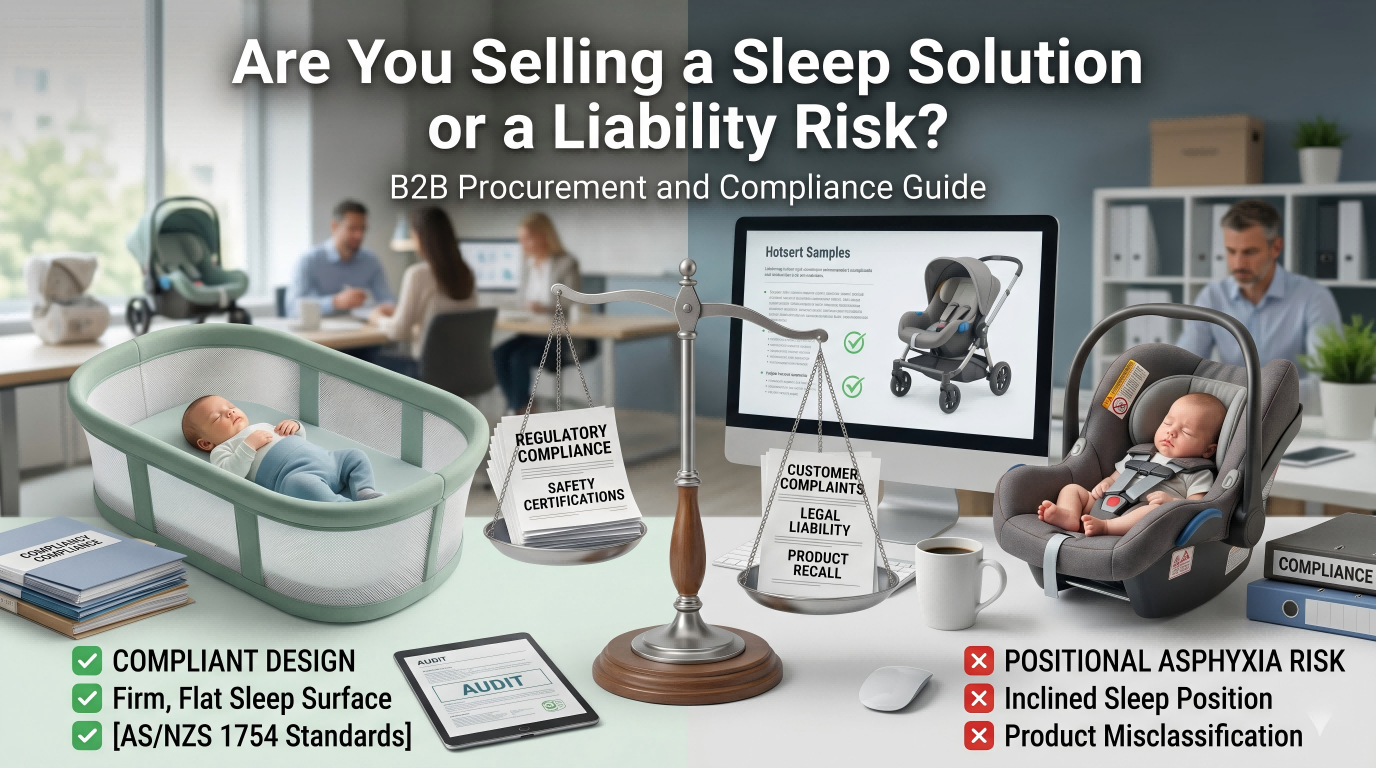
You found a popular doona to sell in Australia. But customs could reject it, costing you thousands. Here's what you are likely missing about their unique standards.
Overseas doonas are often illegal in Australia because the AS/NZS 1754 standard requires specific structural designs, permanent warning labels, and thermal (tog) ratings1. These rules are not found in European or American standards2, so a supplier's CE certificate or simple fire test is not enough.
I see this problem all the time in my work as a supply chain coordinator. A client gets excited about a new product for the Australian market. They find a great-looking doona, maybe one that's a bestseller in Europe or the US. They are ready to place a large order, but they've overlooked a crucial detail that puts their whole investment at risk. It’s a frustrating situation that I've helped many clients avoid. Let's break down the common mistakes I see so you don't fall into the same traps. It's not just about safety tests; it's about a completely different set of rules for the product itself.
Will a CE Certificate Get My Doonas into Australia?
Your supplier has CE certification for their doonas. You think you are ready for the Australian market. But this assumption can lead to costly rejections at the border.
No, a CE certificate is useless for getting children's doonas into Australia. The AS/NZS 1754 standard is completely separate from European regulations. Australian customs will only look for compliance with their own specific rules3, not for a CE mark. Assuming otherwise is a common and expensive mistake.
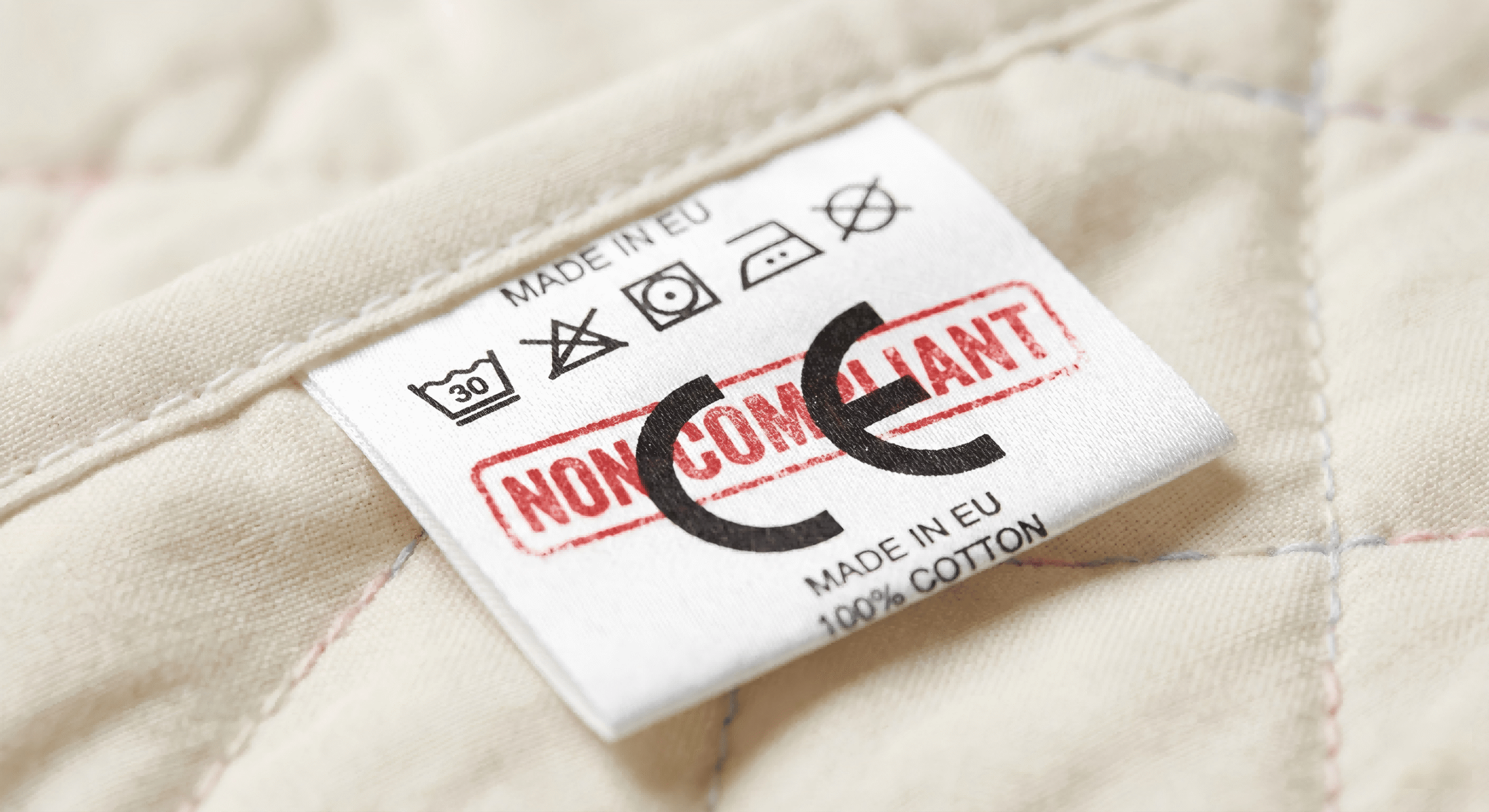
In my procurement work, this is the first red flag I watch for. A client will message me, "My supplier has CE, is that okay for Australia?" I have to give them the bad news. Australian and European standards are not interchangeable. They test for completely different things. A CE mark might mean the materials are free from harmful chemicals, which is great4. But AS/NZS 1754 has very specific rules about the doona's physical construction and how it must be labeled to prevent risks like overheating5. I've had tough conversations where I had to tell a client that the beautiful, expensive samples they just received cannot legally be sold in Australia. It’s why we always tell our clients to forget about CE certification when they are targeting the Australian market. You must focus only on what AS/NZS 1754 requires.
Isn't Passing a Fire Test Enough for AS/NZS 1754 Compliance?
Your supplier proudly shows you a fire test report. You feel confident they are compliant. But this is a classic misunderstanding that can stop your shipment in its tracks.
Passing a fire test is only one small part of AS/NZS 1754. The standard also has very strict rules about the doona's structure, its thermal resistance (tog value), and the permanent labels attached to it. Most overseas suppliers who only provide a fire test certificate do not know this.
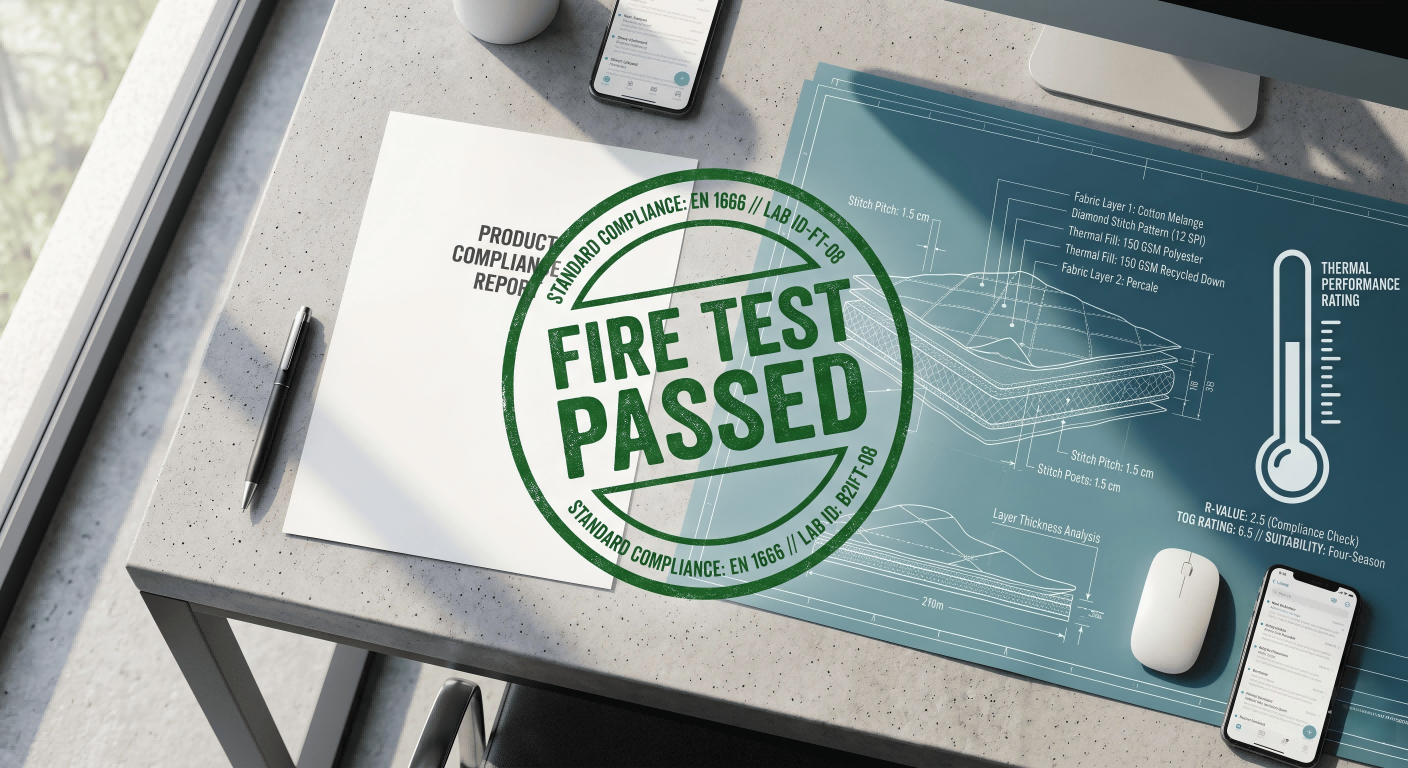
From my experience talking with suppliers, many factories in China hear "safety standard" and immediately think "fire test." They will get their materials tested for flammability, get a passing report, and believe the job is done. But when we audit these suppliers for our Australian clients, we have to look much deeper. The standard is concerned with much more than just fire. For example, it has rules about the doona's construction, like stitching patterns and how the filling is distributed, to prevent the child from overheating6. This leads to another key point: the tog value, or thermal rating, must be tested and clearly stated7. And all this information must be on a permanent label stitched into the doona, not just a simple hang tag8. This is where most general suppliers fail. They have safe materials, but they don't know the specific design and labeling rules. It’s my job to spot this gap before my client places a big, risky order.
Here is a simple table showing what we check for beyond a simple fire test:
| Requirement Type | What It Means for a Doona | Why Most Suppliers Miss It |
|---|---|---|
| Structure | Specific construction methods to prevent overheating and fill bunching9. | They focus on material safety, not specific design rules. |
| Tog Value | The doona's thermal resistance must be tested and clearly stated. | This is a UK/Australian concept, not a global one10. |
| Labeling | Must have a permanent, stitched-in label with specific warnings. | They are used to providing simple hang tags or no labels at all. |
How Can I Tell If My Supplier Really Understands AS/NZS 1754?
You want to import doonas, but you are worried about compliance. How do you find a supplier you can trust? Asking the wrong questions will only get you a simple "yes."
Don't just ask, "Are you compliant with AS/NZS 1754?" Instead, ask for specific proof. Request a full, multi-page test report from an accredited lab, not just a summary certificate11. Ask for photos of the permanent, stitched-in warning label they use. Their answers will show their true expertise.
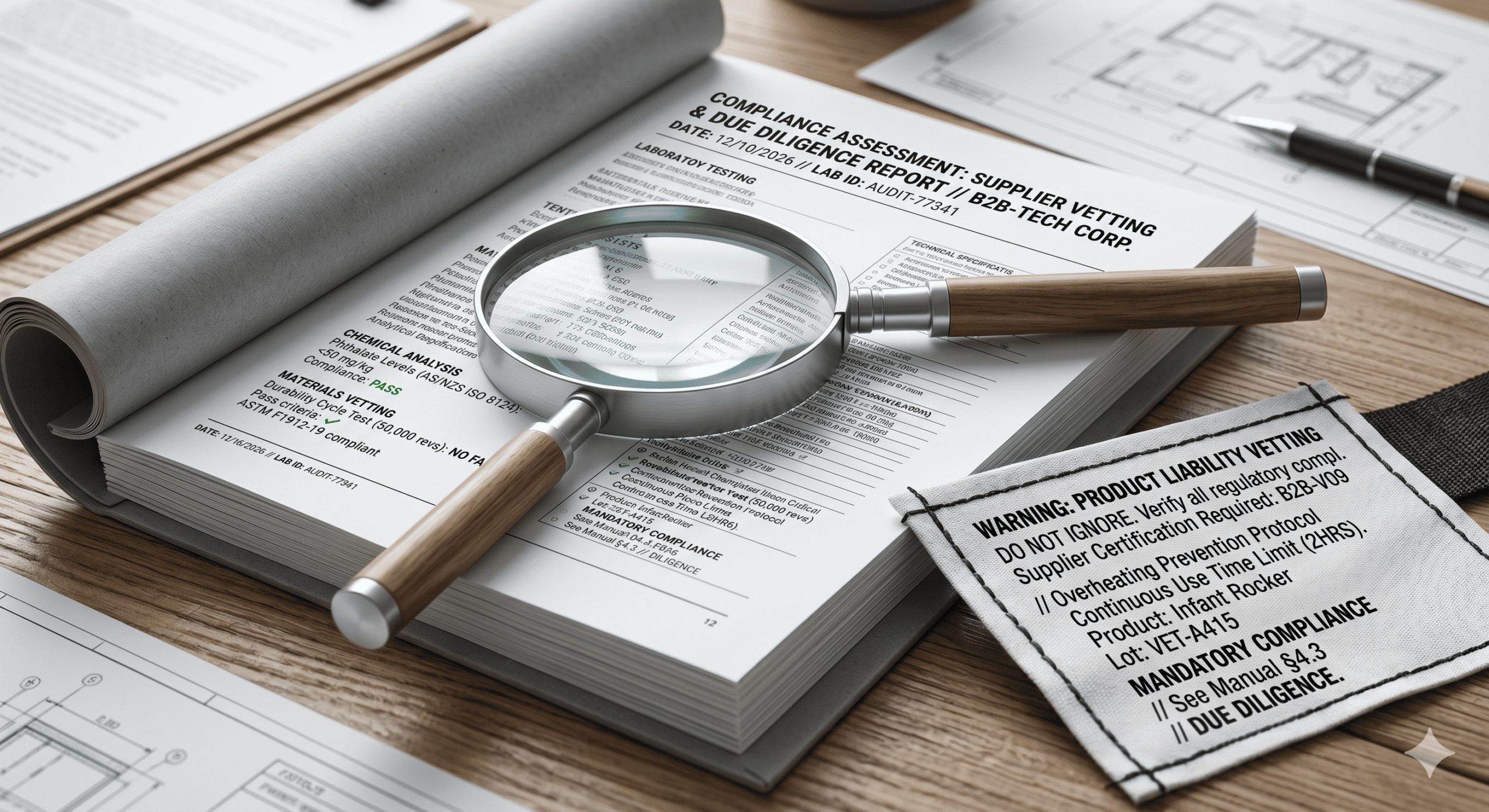
When I am screening a new factory for a client's Australian order, I skip the simple questions. Any supplier will say "yes" to get the business. Instead, I get very specific to test their knowledge. I ask them to show me a full AS/NZS 1754 test report for a similar doona they have made before. I don't want a one-page summary; I want the complete report from the testing lab. Then, I ask about their labeling process. "Can you send me a photo of the permanent care and warning label you use for Australian doonas?" I also might ask them a trick question, like what the required tog value is for a child's cot doona. A supplier who truly understands the standard can answer these questions easily. A supplier who is guessing will get defensive, change the subject, or give a vague answer. These are the red flags that save my clients time, money, and a massive headache with Australian customs. It’s about verifying their claims, not just trusting them.
Conclusion
Importing doonas into Australia requires understanding AS/NZS 1754's unique rules for structure and labeling. Do not assume a CE mark or fire test is enough. Vet suppliers with specific questions.
"AS/NZS 1754 - MACA Hub", https://www.macahub.org/standards-and-regulations/as-nzs-1754. AS/NZS 1754 establishes safety requirements for children's sleeping bags and doonas, including construction specifications, mandatory warning labels, and thermal resistance (tog) ratings to prevent overheating risks. Evidence role: definition; source type: government. Supports: the specific requirements of AS/NZS 1754 including structural design, labeling, and thermal rating provisions. Scope note: The citation should reference the official standard document or an authoritative government summary, as the specific requirements may be updated periodically. ↩
"Children's Products | CPSC.gov", https://www.cpsc.gov/Business--Manufacturing/Business-Education/Childrens-Products. European and North American children's product safety standards focus primarily on flammability and chemical safety, while Australian/New Zealand standards additionally mandate specific construction methods and thermal rating disclosures for bedding products. Evidence role: general_support; source type: government. Supports: differences between regional safety standards for children's bedding products. Scope note: This represents a general regulatory difference; specific standard provisions should be verified from official regulatory documents for each jurisdiction. ↩
"Australian Border Force - Wikipedia", https://en.wikipedia.org/wiki/Australian_Border_Force. The Australian Competition and Consumer Commission (ACCC) enforces mandatory safety standards for children's products, requiring compliance with Australian standards regardless of foreign certifications, with Border Force conducting compliance checks on imported goods. Evidence role: general_support; source type: government. Supports: Australian regulatory approach to imported children's products and mandatory standards. Scope note: This describes the general regulatory framework; specific enforcement procedures may vary by product category and risk assessment. ↩
"CE Marking - International Trade Administration", https://www.trade.gov/ce-marking. CE marking for children's products in the EU indicates compliance with applicable directives including chemical restrictions under REACH and toy safety requirements, though CE is a self-declaration system covering multiple safety aspects beyond chemical content alone. Evidence role: definition; source type: government. Supports: the scope of CE marking requirements for children's products in the European Union. Scope note: CE marking encompasses various safety requirements depending on product category; chemical safety is one component among several conformity assessment areas. ↩
"Infant Sleep Products Business Guidance | CPSC.gov", https://www.cpsc.gov/Business--Manufacturing/Business-Education/Business-Guidance/Infant-Sleep-Products. Research on sudden infant death syndrome (SIDS) and sleep safety has established that excessive thermal insulation and inappropriate bedding construction can contribute to overheating, leading regulatory bodies to develop standards addressing thermal resistance and construction methods. Evidence role: mechanism; source type: research. Supports: the relationship between bedding construction, thermal properties, and overheating risk in children. Scope note: This provides the scientific basis for such standards generally, though the specific provisions of AS/NZS 1754 should be verified from the standard itself. ↩
"Toddler Beds Business Guidance | CPSC.gov", https://www.cpsc.gov/Business--Manufacturing/Business-Education/Business-Guidance/Toddler-Beds. Research on textile thermal properties demonstrates that stitching patterns and fill distribution directly affect insulation uniformity and air permeability, with uneven fill creating localized areas of high thermal resistance that can contribute to heat retention and overheating risk in children. Evidence role: mechanism; source type: research. Supports: how bedding construction features influence thermal properties and overheating risk. Scope note: This describes the general thermal mechanism; specific construction requirements in standards are based on safety assessments that consider multiple risk factors beyond thermal properties alone. ↩
"[PDF] Effects of Thermal Interface Materials on Thermal Conductivity ...", https://scholarworks.uark.edu/context/meeguht/article/1145/viewcontent/Joshi_Honors_Thesis.pdf. AS/NZS 1754 requires thermal resistance (tog) testing according to specified methods and mandates that the tested tog value be permanently marked on children's sleeping products to inform consumers about thermal insulation levels. Evidence role: definition; source type: government. Supports: the tog value testing and disclosure requirements in AS/NZS 1754. Scope note: This should be verified against the current version of the standard, as testing methods and marking requirements may be subject to revision. ↩
"19 U.S. Code § 1754 - Marking, packaging, and labeling requirements", https://www.law.cornell.edu/uscode/text/19/1754. AS/NZS 1754 specifies that safety information and warnings must be provided on permanent labels that remain attached throughout the product's useful life, ensuring critical information is not removed before use. Evidence role: definition; source type: government. Supports: the permanence requirements for safety labels on children's bedding under AS/NZS 1754. Scope note: The exact attachment method and durability requirements should be verified from the standard's labeling section. ↩
"Child Restraint Systems; Side Impact Protection - Regulations.gov", https://www.regulations.gov/document/NHTSA-2022-0051-0001. AS/NZS 1754 establishes construction requirements including stitching patterns and fill distribution methods to prevent insulation bunching and maintain consistent thermal properties across the product surface. Evidence role: definition; source type: government. Supports: construction method requirements in AS/NZS 1754 related to fill distribution and overheating prevention. Scope note: Specific construction details such as maximum stitch spacing should be verified from the technical specifications in the standard. ↩
"[PDF] Thermal resistance measurements - GovInfo", https://www.govinfo.gov/content/pkg/GOVPUB-C13-151f1accc814caf08b5147c0c0ae3c60/pdf/GOVPUB-C13-151f1accc814caf08b5147c0c0ae3c60.pdf. The tog rating system for measuring thermal insulation was developed in the United Kingdom and has been adopted primarily in UK, Australian, and New Zealand standards, while other regions typically use different thermal resistance metrics such as R-values or CLO units. Evidence role: historical_context; source type: encyclopedia. Supports: the origin and geographic usage of tog as a thermal resistance measurement. Scope note: This describes general adoption patterns; specific standard requirements vary by jurisdiction. ↩
"General Use Products: Certification and Testing | CPSC.gov", https://www.cpsc.gov/Business--Manufacturing/Testing-Certification/General-Use-Products-Certification-and-Testing. Regulatory authorities recognize testing conducted by accredited laboratories (such as NATA-accredited facilities in Australia), with complete test reports providing detailed methodology, results, and compliance assessment that summary certificates may not contain. Evidence role: general_support; source type: government. Supports: the importance of comprehensive test reports from accredited laboratories for compliance verification. Scope note: This describes general regulatory recognition principles; specific documentation requirements may vary by product category and importing jurisdiction. ↩