Paying high prices for ASTM-certified baby gear, thinking it guarantees quality? This assumption eats into your profits, but there's a smarter way to source safe, certified products directly.
Absolutely. ASTM certification verifies a product meets U.S. safety standards1, regardless of the brand or manufacturer's location. By sourcing directly from verified factories, you can get the exact same certified quality without paying the premium markup charged by middlemen for a brand name.
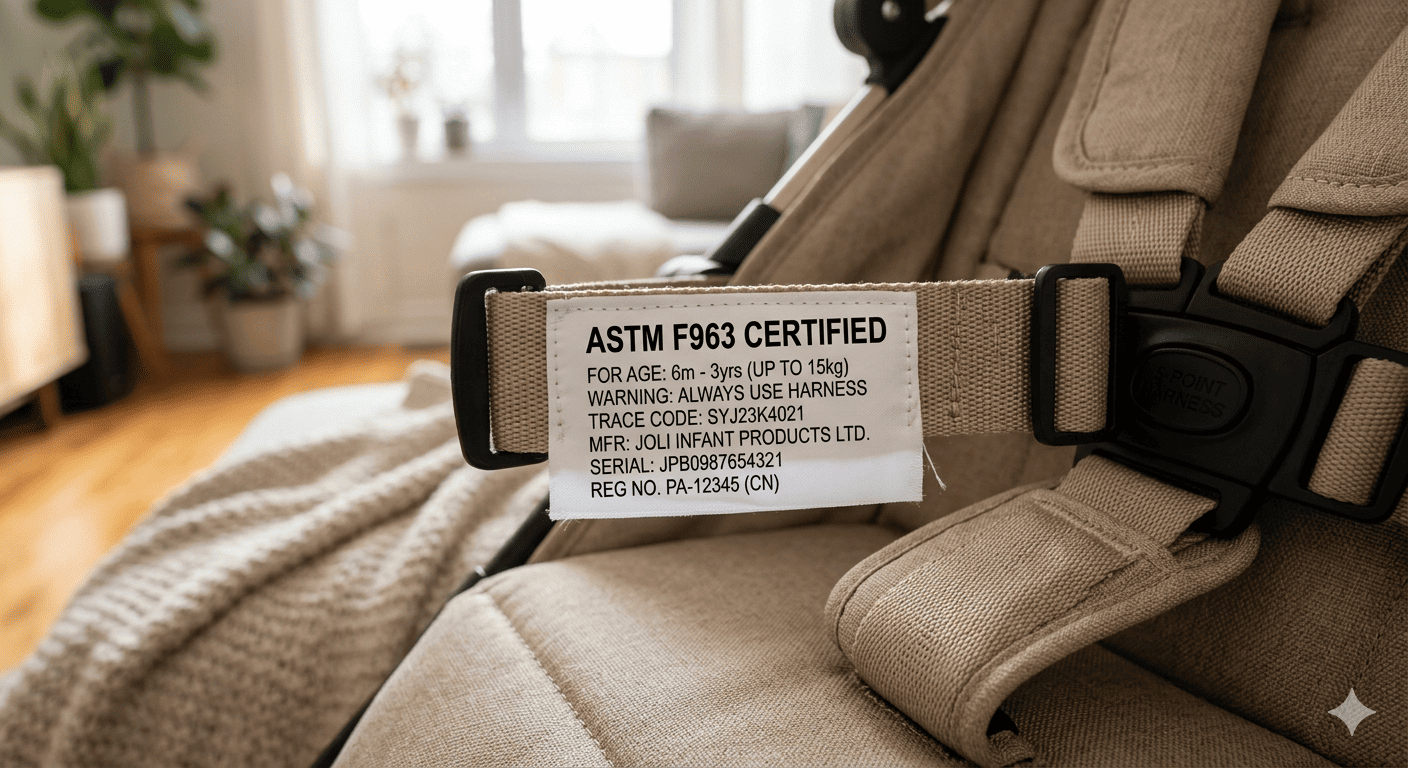
That answer might sound straightforward, but I know the reality feels much riskier. You're probably thinking, 'How can I be sure the quality is the same? Who handles the inspections and paperwork?' These are valid concerns. In my years of helping clients navigate the sourcing world, I've seen these questions come up again and again. Let's break down what ASTM certification truly means and how you can confidently source certified products without the extra cost.
Is ASTM Certification Just a Fancy Label for Expensive Brands?
Do you see 'ASTM Certified' and assume it means an expensive Western brand? This common mistake locks you into high-cost suppliers, squeezing your profits on every single sale.
No, ASTM is a safety standard, not a brand. It's a set of testing protocols any manufacturer can follow to ensure their products are safe. A Chinese factory can produce an ASTM-certified stroller that is just as safe as one from a U.S. brand.
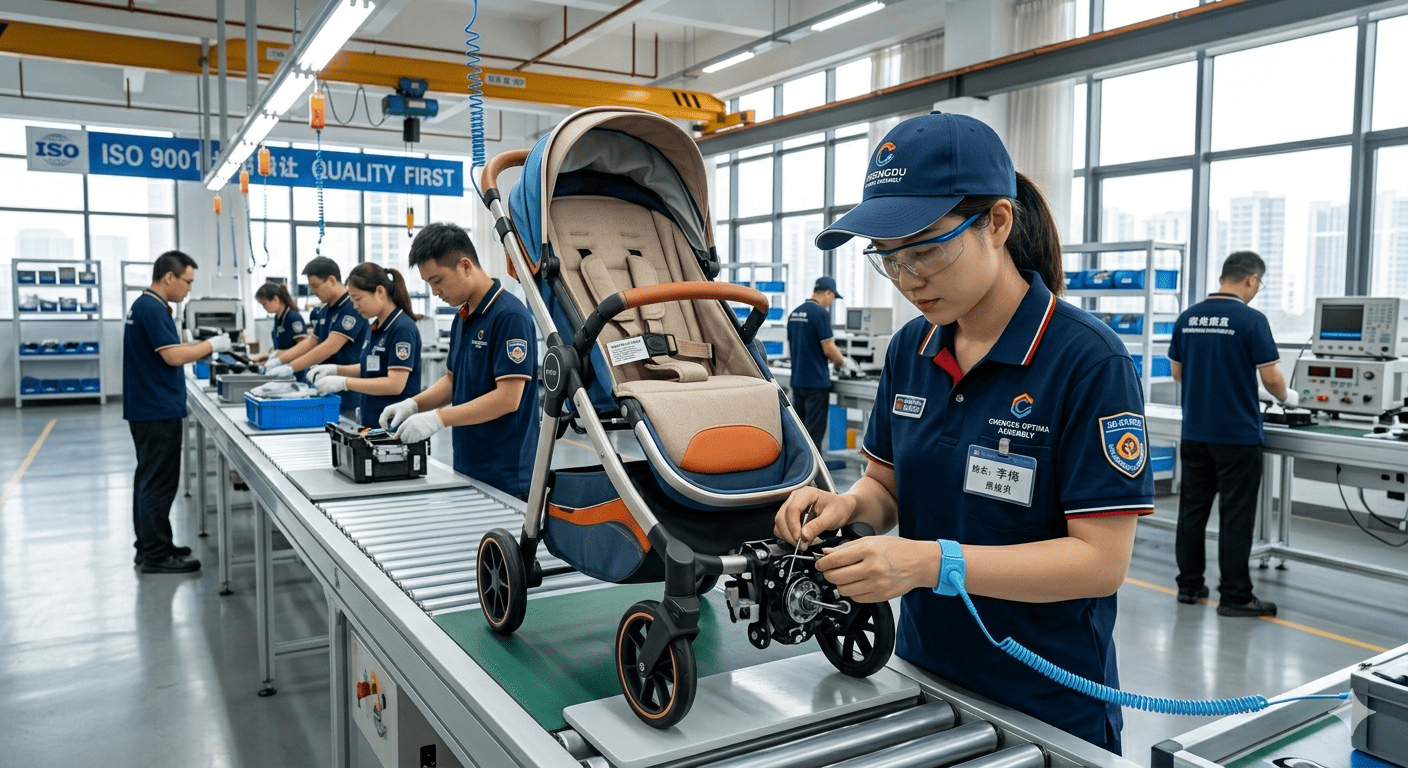
In my years of helping clients source products, this is the most common and costly misconception I see. Buyers believe that certification is tied to brand origin. The reality is that ASTM International is a global organization that creates technical standards2. It doesn't manufacture or endorse brands. Think of it like a recipe for a safety test. Any kitchen (or factory) in the world can use that recipe to prove their dish (or product) is safe. Many famous American and European brands manufacture their products right here in China3, in the very same factories that can produce for you. The product gets certified, not the brand's headquarters. The key is verifying the test reports and the factory's quality system, not just looking at the brand name.
Here is a simple breakdown:
| What ASTM Certifies | What ASTM Does NOT Certify |
|---|---|
| Safety Compliance | Brand Origin or Nationality |
| Testing Protocols | Premium Quality or Materials |
| Product Performance | A Higher Price Point |
| Specific Hazard Tests | The Brand's Reputation |
What Really Makes Up Your Landed Cost for Baby Products?
Think landed cost is just unit price plus shipping? You're likely getting hit with unexpected fees for inspections, documents, and customs, ruining your budget and your overall profitability.
Landed cost is everything: unit price, shipping, insurance, duties, and taxes4. But it also includes variable costs like inspections, compliance paperwork5, and currency conversion. It’s not a simple formula; it's a dynamic calculation that changes with every order and supplier.
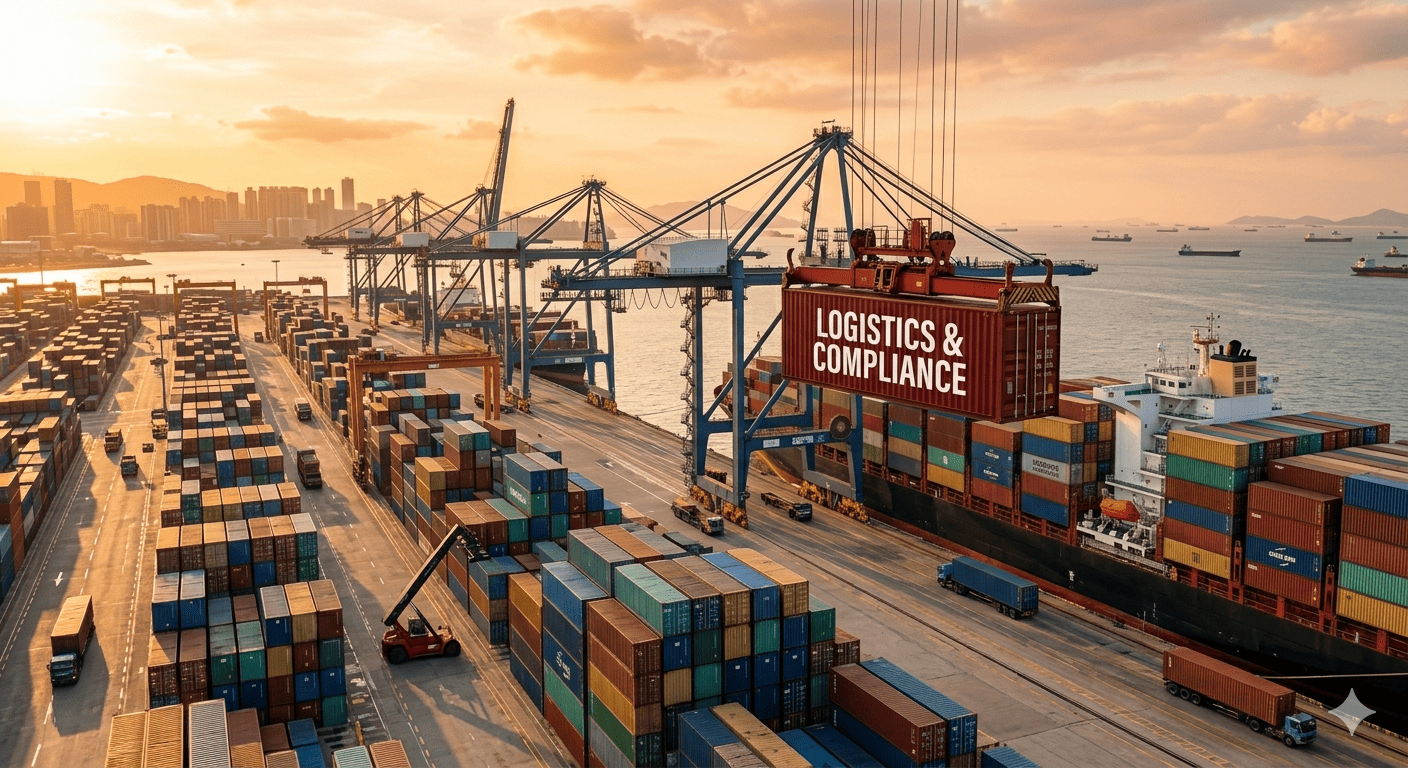
We've processed countless orders, and I can tell you landed cost is never a simple calculator. Buyers often fall into the trap of looking only at the Free on Board (FOB) price6 and a shipping estimate. But the real costs emerge later. A supplier might offer a low unit price, but if their documentation is poor, you could face customs delays and fees7. Or, if they don't have a robust quality control process, you might have to pay for a third-party inspection or, even worse, deal with a batch of defective products. The true landed cost must account for these risks. We always advise clients to factor in costs for pre-shipment inspections8, potential lab test verifications, and even currency fluctuations9. A reliable sourcing partner helps you see these hidden variables upfront, preventing nasty surprises.
| Simple Calculation | Real-World Variables to Consider |
|---|---|
| Product Unit Cost | Unit Cost (varies with MOQ) |
| + Shipping | Freight & Insurance (air vs. sea, port to door) |
| Customs Duties & Tariffs10 (changes by country/product) | |
| Port & Handling Fees (unloading, storage) | |
| Inspection Costs (pre-shipment QC is vital) | |
| Documentation Fees (Certificate of Origin, etc.) | |
| Payment & Currency Fees (bank transfers, exchange rates) |
When Is a Middleman Worth the Margin?
Tired of paying middleman fees and want to go direct? This leap can backfire with quality issues and logistical nightmares if you aren't prepared for the hidden responsibilities.
A middleman earns their margin by providing real value: consolidating shipments11, conducting factory audits12, managing quality control, and handling compliance paperwork. If they only resell without these services, they are just adding cost. The key is paying for expertise, not just access.

Not all middlemen are just resellers. In my business, we act as a procurement service partner, and the distinction is crucial for your success. A simple reseller just adds their markup to a product they've never seen from a factory they've never visited. A true partner, on the other hand, acts as your team on the ground. We vet factories, conduct audits, oversee production, and perform quality control inspections before a single item ships. We consolidate orders from different suppliers to save you shipping costs and manage all the complex export paperwork. When a client asks us, "How do you handle a failed batch?", we have a clear process. A simple reseller often won't. Before you decide to pay a margin, ask if that partner is providing a service or just a price list.
| A Value-Adding Partner | A Simple Reseller |
|---|---|
| Conducts factory audits | Has no visibility into the factory |
| Manages on-site quality control | Offers no inspection services |
| Consolidates shipments to save costs | Ships directly from an unknown source |
| Handles all compliance documentation | Leaves paperwork responsibilities to you |
| Provides after-sales support | Disappears after the sale is complete |
Conclusion
ASTM certification ensures safety, not a brand premium. By understanding your true landed cost and vetting your partners, you can source high-quality, compliant products without overpaying for a name.
"ASTM F963 Requirements | CPSC.gov", https://www.cpsc.gov/Business--Manufacturing/Business-Education/Toy-Safety/ASTM-F-963-Chart. ASTM International develops voluntary consensus technical standards that manufacturers can use to demonstrate product safety compliance, though ASTM itself does not certify or approve products. Evidence role: definition; source type: institution. Supports: ASTM International develops voluntary consensus standards used to verify product safety compliance. Scope note: ASTM creates standards but does not perform certification; third-party labs conduct the actual testing ↩
"ASTM International - Wikipedia", https://en.wikipedia.org/wiki/ASTM_International. ASTM International is a globally recognized standards development organization founded in 1898, producing voluntary consensus standards across numerous industries and materials. Evidence role: definition; source type: institution. Supports: ASTM International's organizational structure and global standards development role. ↩
"[PDF] Global Reliance on Chinese Manufacturing", https://www.usitc.gov/publications/332/executive_briefings/ebot_global_dependency_on_chinese_manufacturing.pdf. China accounts for a significant portion of global consumer product manufacturing, with many international brands contracting production to Chinese facilities while maintaining design and quality control oversight. Evidence role: statistic; source type: research. Supports: The prevalence of Chinese manufacturing for Western consumer brands. Scope note: Specific percentages vary by product category and change over time with supply chain shifts ↩
"Determine Total Export Price - International Trade Administration", https://www.trade.gov/determine-total-export-price. Landed cost represents the total cost of a product from manufacturer to buyer's door, including purchase price, freight, insurance, customs duties, taxes, and other fees incurred during international shipping. Evidence role: definition; source type: education. Supports: The comprehensive definition of landed cost in supply chain management. ↩
"Import Requirements & Documentation", https://www.trade.gov/country-commercial-guides/import-requirements-documentation. International trade requires various compliance documents including certificates of origin, safety certifications, and customs declarations to verify products meet importing country regulations and facilitate customs clearance. Evidence role: general_support; source type: government. Supports: The necessity of compliance documentation for international product shipments. Scope note: Specific documentation requirements vary by product category, destination country, and applicable trade agreements ↩
"Free on Board (FOB) | BETA - International Trade Administration", https://beta.trade.gov/article?id=Free-on-Board-FOB. Free on Board (FOB) is an Incoterm indicating that the seller delivers goods on board a vessel, with risk transferring to the buyer at that point, as defined by the International Chamber of Commerce. Evidence role: definition; source type: institution. Supports: The definition and usage of FOB as an international trade term. ↩
"I ordered goods from abroad, but the seller said they are being held ...", https://www.help.cbp.gov/s/article/Article-1171. Incomplete or inaccurate customs documentation can result in shipment delays, additional inspection requirements, and penalty fees, as customs authorities require proper documentation to assess duties and verify compliance. Evidence role: mechanism; source type: government. Supports: How documentation deficiencies affect customs clearance processes. Scope note: Specific consequences vary by country and customs authority procedures ↩
"Trade Guide: WTO PSI - International Trade Administration", https://www.trade.gov/trade-guide-wto-psi. Pre-shipment inspection is a quality control process where products are examined before leaving the manufacturing facility to verify they meet specifications, reducing the risk of receiving defective goods. Evidence role: general_support; source type: institution. Supports: The function of pre-shipment inspection in quality assurance. Scope note: Inspection effectiveness depends on the inspector's expertise and the comprehensiveness of the inspection protocol ↩
"[PDF] How Do Exchange Rates Affect Import Prices? Recent Economic ...", https://www.usitc.gov/publications/332/ID-21.pdf. Exchange rate volatility directly impacts the cost of imported goods, as payments made in foreign currencies fluctuate with market rates, potentially adding or reducing costs between order placement and payment. Evidence role: mechanism; source type: education. Supports: How currency exchange rate movements affect international purchasing costs. ↩
"Harmonized System (HS) Codes - International Trade Administration", https://www.trade.gov/harmonized-system-hs-codes. Customs duties are taxes imposed on imported goods, with rates determined by product classification under the Harmonized System and varying significantly by country, trade agreements, and product category. Evidence role: mechanism; source type: government. Supports: How customs duties are determined and vary internationally. ↩
"Freight Consolidation: How It Works, Benefits, and Cost Savings [2026]", https://www.exfreight.com/freight-consolidation-a-smarter-way-to-ship-and-save/. Freight consolidation combines smaller shipments from multiple suppliers into a single larger shipment, reducing per-unit transportation costs by achieving better container utilization and negotiating volume-based freight rates. Evidence role: mechanism; source type: education. Supports: How consolidating multiple shipments achieves cost efficiencies. Scope note: Cost savings depend on shipment volumes, routes, and timing coordination among suppliers ↩
"Manufacturing Audits: A Guide to Effective Factory Audits - GoAudits", https://goaudits.com/blog/manufacturing-audit/. Factory audits are systematic evaluations of manufacturing facilities that assess production capabilities, quality management systems, compliance with standards, and working conditions to qualify suppliers and mitigate supply chain risks. Evidence role: definition; source type: education. Supports: The role of factory audits in supplier qualification. ↩