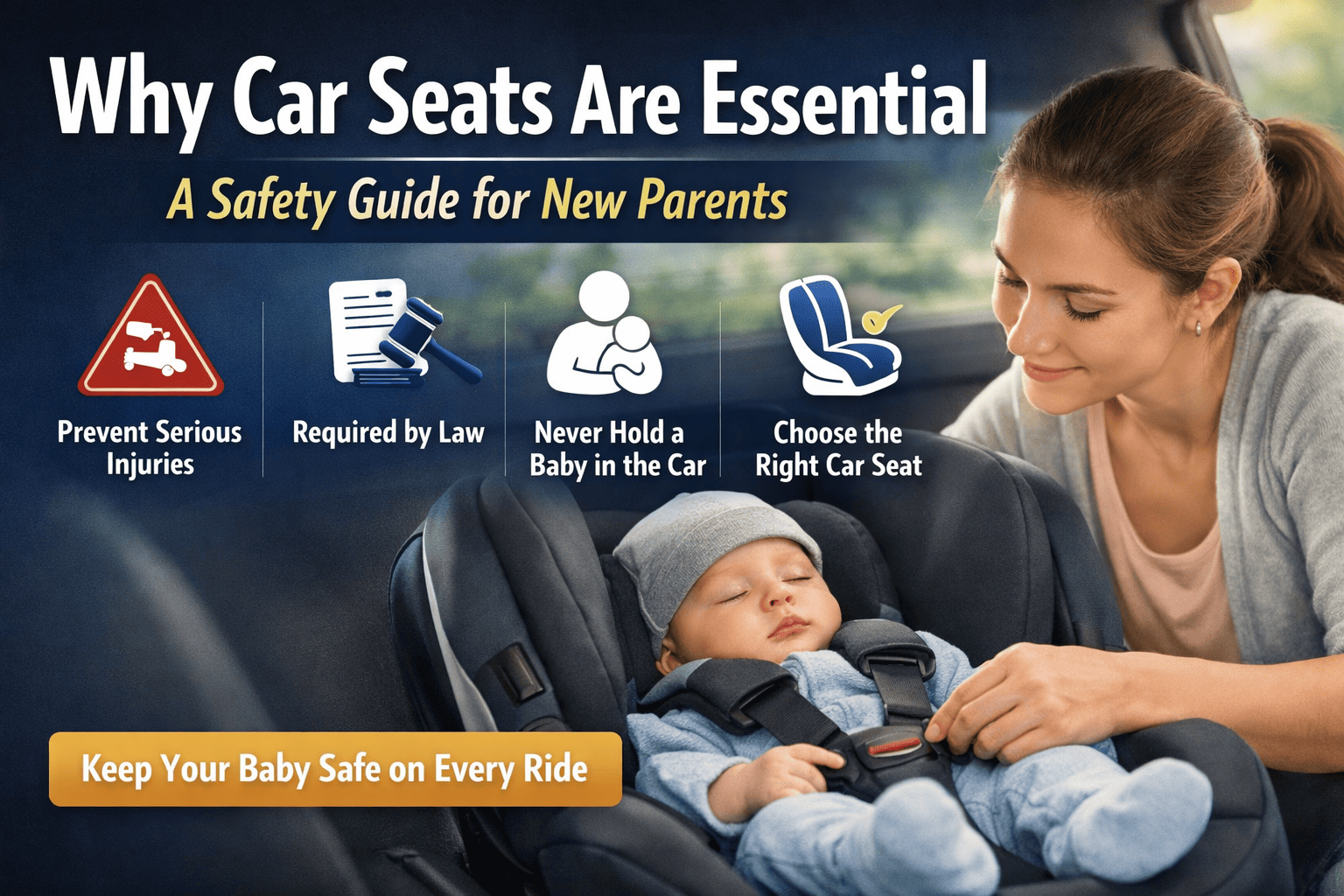
As a new parent, your baby’s safety becomes the top priority—especially when traveling by car. You’ve probably heard countless times that a car seat is a must-have, but do you know why car seats are non-negotiable for infant safety? Or how to choose the right one to keep your little one protected on every journey? This guide breaks down the critical reasons car seats are essential, backed by safety data and expert advice, to help you make informed decisions for your family.
1. Car Crashes Are a Leading Cause of Injury for Young Children
According to the Centers for Disease Control and Prevention (CDC), motor vehicle crashes are one of the leading causes of death and serious injury for children under the age of 13 in the United States. For infants and toddlers, the risk is even higher because their bodies are still developing—their heads are larger relative to their bodies, and their neck muscles are too weak to support their heads in a collision.
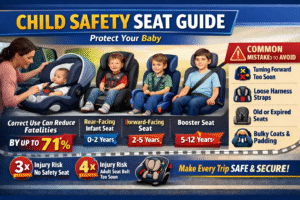
A properly installed car seat acts as a protective barrier, distributing the force of a crash evenly across the child’s body and reducing the risk of fatal injuries by up to 71% for infants (rear-facing) and 54% for toddlers (forward-facing), according to the National Highway Traffic Safety Administration (NHTSA). Without a car seat, a child can be thrown from the vehicle or collide with the dashboard, windshield, or other passengers—even in low-speed crashes (as slow as 30 mph).
2. Car Seats Are Required by Law (Everywhere)
Another non-negotiable reason to use a car seat? It’s the law. Every U.S. state, as well as most countries around the world, has strict regulations mandating car seat use for children based on their age, weight, and height. Violating these laws can result in hefty fines, points on your driver’s license, and even legal consequences—and for good reason: laws are designed to enforce life-saving safety practices.
For example, in the U.S., all states require infants to ride in a rear-facing car seat until they reach at least 2 years old (or the maximum weight/height limit of the seat). Many states also require children to use a booster seat until they are 8 years old or 4 feet 9 inches tall. These laws aren’t arbitrary—they’re based on decades of safety research showing that rear-facing seats offer the best protection for young children’s developing spines and necks.
3. “Holding a Baby” Is Not Safe—Even for Short Trips
One of the most common myths new parents believe is: “I can just hold my baby for a short trip—nothing will happen.” Unfortunately, this is a dangerous misconception. In a crash, the force of impact can make a baby weigh 50 times their actual weight. For example, a 10-pound baby can exert 500 pounds of force in a collision—far more than any adult can hold onto.
Even if you’re driving slowly or only going a few blocks, a sudden stop (e.g., slamming on brakes to avoid a pedestrian) can cause you to lose control of the baby. Car seats are engineered to absorb and dissipate this force, keeping your child secure in a harness that’s designed specifically for their small frame. There’s no “safe shortcut” when it comes to your baby’s safety—every trip, no matter how short, requires a properly installed car seat.

4. Car Seats Protect Against More Than Just Crashes
Car seats aren’t just for collisions—they also protect your child from common travel hazards like sudden stops, swerves, or even minor fender benders. A secure car seat keeps your baby from wiggling into dangerous positions (e.g., under the seat, near the door handle) and prevents them from being injured by loose objects in the car (e.g., a purse, water bottle, or phone) that can become projectiles in a sudden stop.
Additionally, rear-facing car seats provide support for your baby’s head and neck during long rides, reducing the risk of discomfort or injury from jostling. For newborns, many car seats are compatible with strollers, making it easy to transfer your sleeping baby without disturbing them—while keeping them safe the entire time.
How to Choose the Right Car Seat (Quick Guide for New Parents)
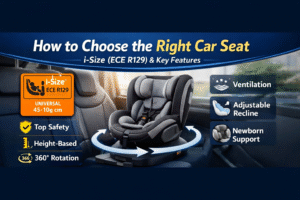
Now that you understand why car seats are essential, here’s a quick checklist to help you choose the right one:
-
Start with rear-facing: Choose an infant car seat (rear-facing only) or a convertible car seat (rear-facing for infants, forward-facing for toddlers) for babies under 2 years old.
-
Check weight/height limits: Make sure the seat can accommodate your baby’s current weight and height, and has room to grow (most infant seats go up to 35 pounds).
-
Prioritize ease of installation: Look for seats with clear instructions, built-in level indicators, or LATCH (Lower Anchors and Tethers for Children) systems for easy, secure installation.
-
Choose a trusted brand: Opt for seats that meet or exceed federal safety standards (look for NHTSA’s 5-star safety rating) from reputable brands like Graco, Britax, or Chicco.
Final Thoughts: Safety First, Always
A car seat is one of the most important investments you’ll make as a new parent. It’s not just a “baby accessory”—it’s a life-saving tool that protects your child from the number one cause of injury for young children. By choosing the right seat, installing it correctly, and using it for every trip (no matter how short), you’re taking the most important step to keep your baby safe on the road.
Remember: The best car seat is the one that fits your baby, fits your car, and is used correctly every time. If you’re unsure about installation, many local fire departments, hospitals, or baby stores offer free car seat inspection services—take advantage of them to ensure your little one is as safe as possible.
Do you have questions about choosing or installing a car seat? Leave a comment below—we’re here to help!
Keywords: car seat essential for new parents, infant car seat safety, why car seats are required by law, best car seats for newborns, NHTSA car seat safety guidelines